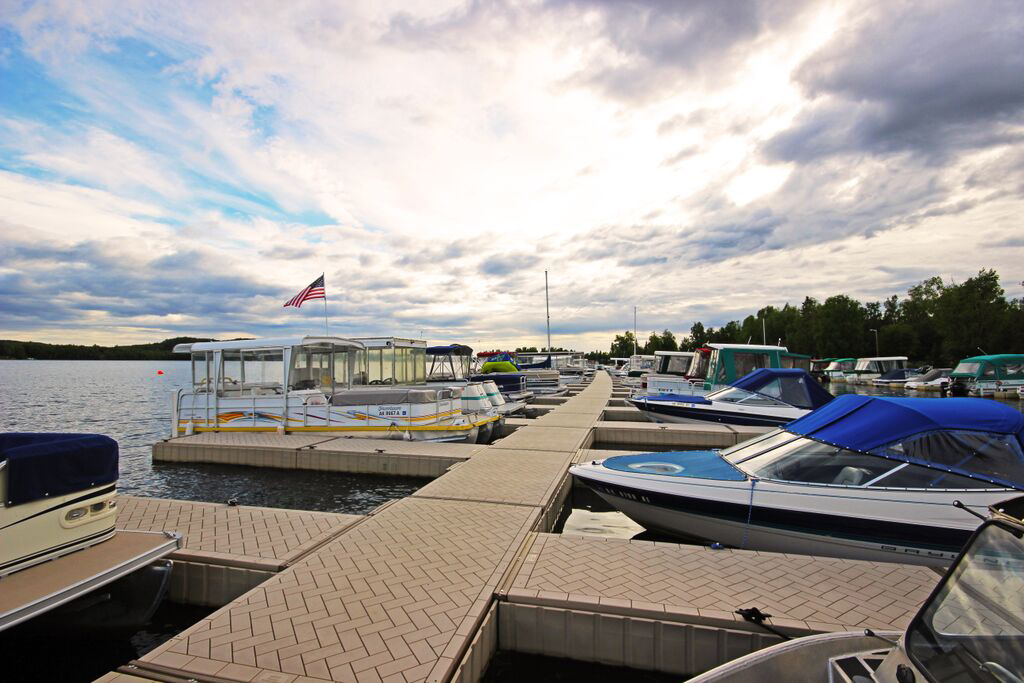
The PolyDock Connection System

Stability Starts at Every Joint.

PolyDock connectors join individual floating sections into one coordinated layout. The combination of full-length HDPE connector bodies, composite rods and corrosion-resistant hardware helps add system stiffness while allowing the dock to respond naturally to changing water conditions.

Full-Length Joint Coverage Connector bodies span the dock-section joint to create a broad, secure connection between sections.
HDPE Connector Body The molded connector material is designed to balance system firmness with controlled flexibility.
Floating Installation-Friendly Connector components float, reducing the chance of losing parts if they are dropped during installation.
No Special Tools Top-Access Installation Hardware can be accessed from above and installed using common tools according to product instructions.

Why PolyDock Connectors?

The right hardware makes the difference between a dock that wobbles and one that feels rock solid. PolyDock connectors deliver:

  • Full-Length Composite Design – Spans the entire joint for maximum strength and stability.

  • Durable HDPE Construction – Resists cracking, warping, and UV damage.

  • Floats if Dropped – No lost parts during installation.

  • Composite Connector Rods – Corrosion-resistant, long-lasting, and secure.

  • Stainless Steel Hardware – Built for freshwater, brackish, and saltwater environments.

  • Easy Install – Tightens from the top with standard tools; no special equipment required.


Which Floating Dock Connector Do I Need?

  • Straight runs: Rigid connectors for maximum stability

  • Corners & angles: Flexible or hinge-style connectors

  • High-movement areas: Heavy-duty connectors designed to absorb motion

Connector Planning

Choose the Connection Strategy.

Connector selection depends on the dock layout, expected water movement and anchoring approach. Use these examples as general planning guidance, then confirm the final hardware with an authorized PolyDock dealer.

01 / Straight Runs

Prioritize Overall System Stiffness

Straight dock runs typically use full-joint connections that help adjacent sections respond together and maintain alignment along the walkway.

Common Applications
Main walkways Finger docks Platforms
Connection spacing and hardware should follow the approved layout and current installation instructions.

02 / Corners & Direction Changes

Plan the Joint Around the Layout

Corners, turns and angled configurations may require different connector positioning or hinge-style movement than a continuous straight dock run.

Common Applications
L-shaped docks U-shaped layouts Shore transitions
Confirm the approved corner hardware and connection method before ordering or installing the system.

03 / Higher-Movement Sites

Evaluate Connectors and Anchoring Together

Sites with greater water movement may require a different connector, anchoring and overall layout strategy than calm residential installations.

Planning Considerations
Wave exposure Marina traffic Water-level change
A dealer should review connector type, anchoring, site exposure and intended use as one complete system.

How Connectors Create Stability

PolyDock connectors aren’t just hardware — they’re the engineering secret behind a dock that feels safe underfoot:

  • Spans the full dock joint for a secure, clean connection.

  • Balanced rigidity and flexibility to absorb wave action without sacrificing stability.

  • Multiple connection points distribute wave energy across the dock system.

  • Results in a firm, level surface that stays stable even in wind and waves.

“As a marina operator, the difference is obvious. Guests feel safe walking the docks, even on busy weekends. The connectors keep everything solid and dependable.” – Dana L., Marina Manager

POLYDOCK CONNECTORS

What are PolyDock floating dock connectors made from?

PolyDock connection systems use high-density polyethylene connector bodies, composite connector rods and corrosion-resistant stainless steel hardware. Specific components vary by connector style and application.

Why do PolyDock connectors span the dock joint?

The broad connection helps join adjacent sections securely and distribute movement across more of the dock system instead of concentrating loads at a small connection point.

Do PolyDock connectors float?

PolyDock connector components are designed to float, reducing the likelihood of losing them if they are dropped into the water during installation or reconfiguration.

Do I need special tools to install PolyDock connectors?

No specialized installation equipment is generally required. Connector hardware is accessed from above and installed with common tools according to current PolyDock instructions.

Can PolyDock connectors be used in saltwater?

PolyDock connection systems can be configured for freshwater and approved brackish or protected saltwater applications. Hardware selection, corrosion protection, inspection and maintenance should match the environment.

Can PolyDock connectors be used with another brand of dock?

PolyDock connectors are designed specifically for PolyDock floating dock sections. Compatibility with other systems should be evaluated by a PolyDock dealer rather than assumed.

How do I choose the correct connector?

Connector selection depends on the dock configuration, section orientation, expected movement, anchoring method and site exposure. Final hardware should be confirmed using current product instructions or with an authorized dealer.