Shore-to-Dock Access

Two Ways to Reach the Water.

The best access solution depends on the distance from shore, the change in elevation and how much the water level moves. Compare the two approaches before planning the complete connection.

PolyDock Ramps

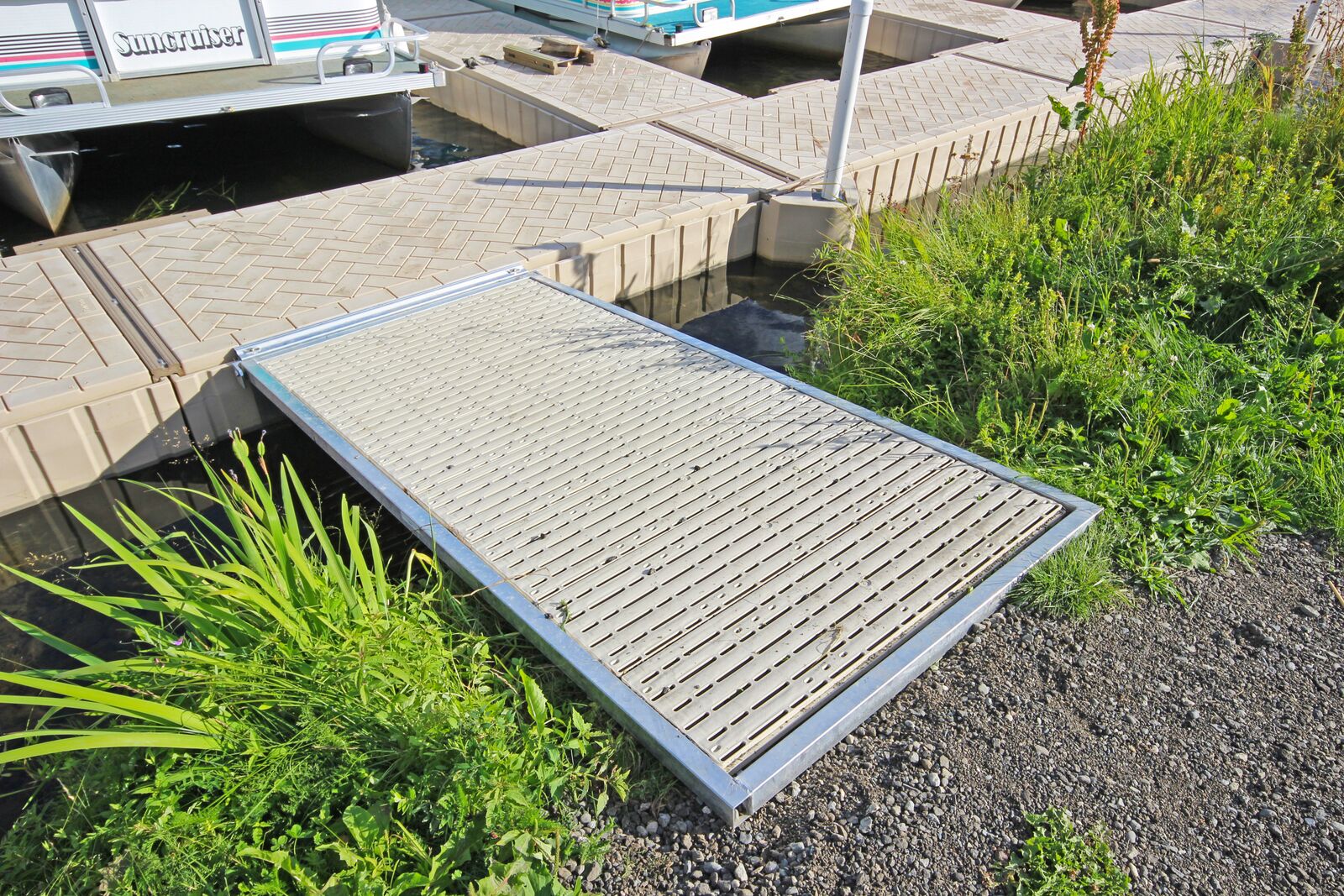
Ramps create a compact transition between shore and the floating dock. They are generally best suited to shorter distances where water levels remain relatively stable through the season.

Best Fit
Short, gentle shoreline transitions
Typical Reach
Up to approximately 8 feet
Water Behavior
Relatively stable seasonal water levels
Connection
Hinged shore-to-dock transition

Final ramp size, hinge location, shore contact and roller requirements should be confirmed for the installation.

Compare Shoreline Conditions
PolyDock Gangways

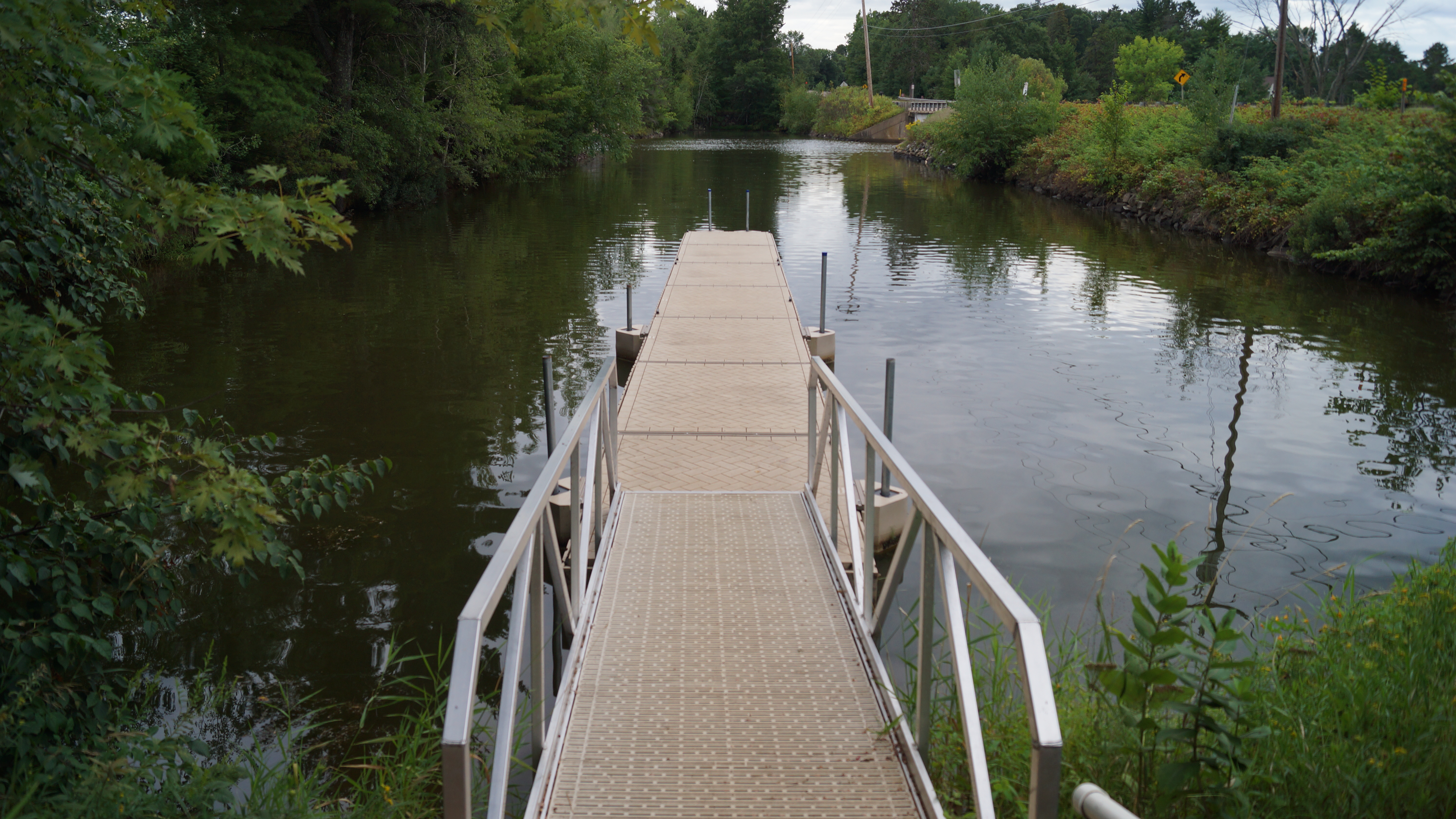
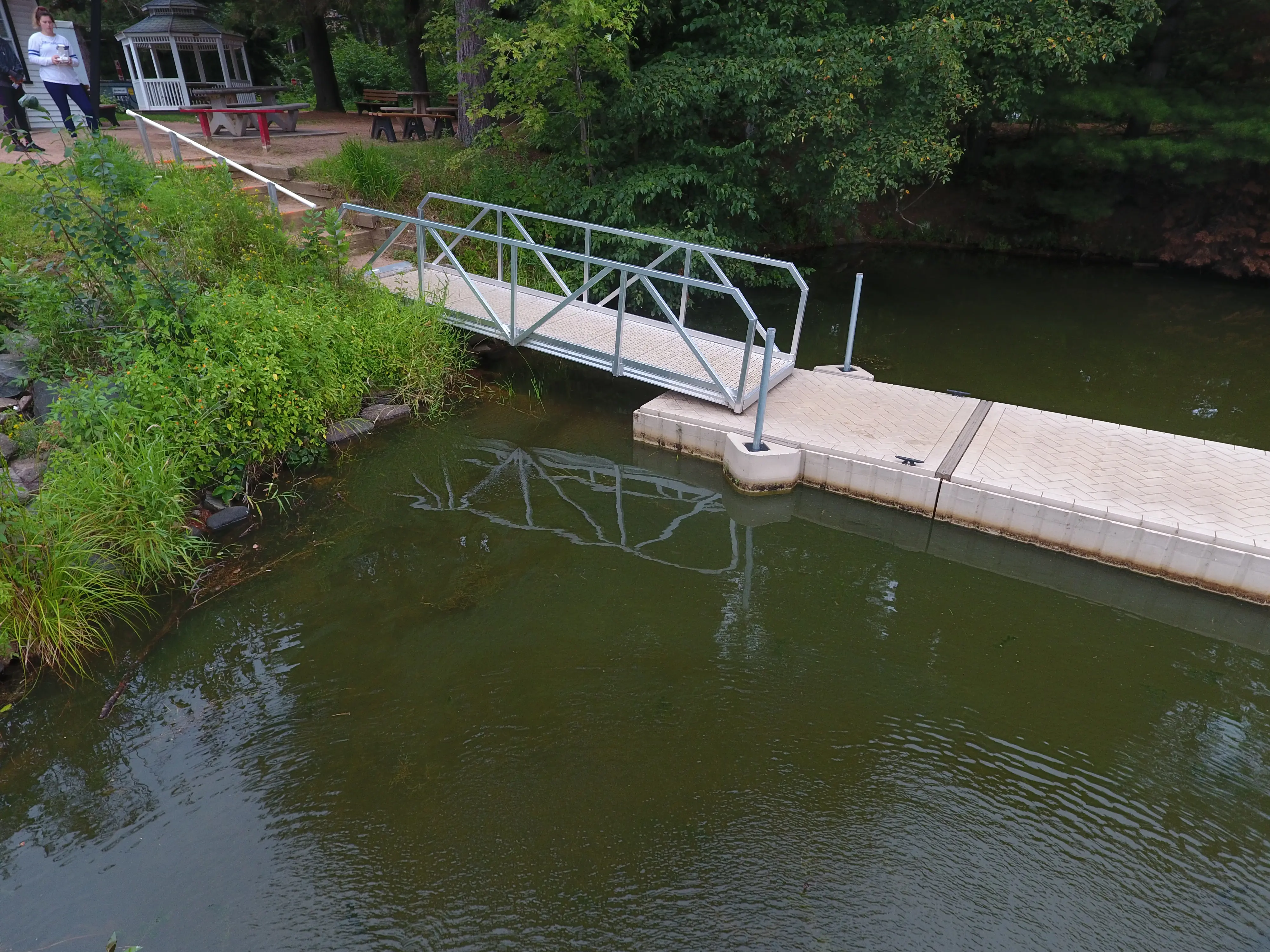
Gangways span longer distances and pivot as the floating dock moves. They are generally the stronger planning choice for steeper banks, changing water levels and more substantial shore-to-dock transitions.

Best Fit
Longer spans and steeper shorelines
Available Reach
Multiple lengths for varied sites
Water Behavior
Seasonal or ongoing water-level movement
System Options
Handrails, hinges and shore connections

Gangway length, slope, clear width, transition plates and handrails should be reviewed as part of the complete access route.

Compare Shoreline Conditions

Built for Safe, Confident Access

Safety is a core priority at PolyDock. Our ramps and gangways are designed to support worry-free access for families, guests, and waterfront homeowners.

Safety Features

  • Slip-resistant walking surfaces

  • Strong, rigid aluminum frames

  • Smooth transitions with minimal trip points

  • Rail options available for added security

  • Stable, comfortable footing in all conditions

You should feel confident with every step—PolyDock makes that possible.

Safe dock access depends on proper anchoring and the right accessories. Explore floating dock anchoring systems for shoreline stability, or browse dock accessories to enhance safety and usability.

PolyDock Ramps

Easy Shore-to-Dock Transitions for Stable Water Conditions

PolyDock ramps are ideal for shorelines with minimal water fluctuation and distances less than 8 feet between land and dock. Simple, sturdy, and designed to integrate directly with your PolyDock system, a ramp creates a smooth walkout experience every time.

Ramp Features & Benefits

  • Lightweight Aluminum Construction – Durable, corrosion-resistant, and easy to handle.

  • Seamless System Integration – Designed to connect naturally with PolyDock floating dock sections.

  • Minimal Maintenance – Built to withstand the elements with little upkeep.

  • Clean, Simple Transition – Perfect for shorter or level shorelines.

Ramp Specifications

  • Typical Length: Up to 8'

  • Material: Marine-grade aluminum

  • Deck Surface: Textured, slip-resistant

  • Connection: Integrated hinge-style dock connection

PolyDock Gangways

Stable, Confident Access for Longer Distances & Varying Water Levels

For steeper shorelines, longer spans, or lakes and rivers with fluctuating water levels, a PolyDock gangway provides the safest, most stable access point to your dock system. Engineered to move with changing conditions, gangways ensure every step feels secure.

Gangway Features & Benefits

  • Engineered for Water Fluctuation – Maintains a stable walking surface as water levels rise or fall.

  • Extended Reach Options – Multiple lengths available to match your shoreline.

  • Premium Aluminum Frame – Strong, rigid, and built to endure tough environments.

  • Smooth, Secure Footing – Designed for safe, confident access in all conditions.

Gangway Specifications

  • Available Lengths: Multiple lengths to fit varied shorelines

  • Material: Marine-grade aluminum

  • Deck Surface: Textured, slip-resistant

  • Optional Add-Ons: Handrails, hinge kits, shore connection accessories

Plan the Transition

Start With the Shoreline Conditions.

Ramp or gangway selection is about more than appearance. Measure the horizontal distance, elevation change and expected water movement, then consider who will use the route and how often.

01
Horizontal Distance

How Far Is the Dock From Shore?

Short transitions may be handled with a compact ramp. Longer distances generally require the structure and reach of a gangway.

Shorter span: consider a ramp
Longer span: consider a gangway
02
Elevation Change

How Much Higher Is Shore Than the Dock?

A larger vertical drop creates a steeper walking angle. Extending the access route can help create a more gradual transition.

Gentle approach: ramp may fit
Greater drop: gangway is more likely
03
Water Movement

How Much Does the Water Level Change?

Changing water levels affect the angle and position of the shore connection. Gangways are designed to pivot with floating-dock movement.

Stable water: ramp may be sufficient
Changing levels: evaluate a gangway
04
Users & Traffic

Who Will Use the Access Route?

Guest traffic, children, mobility needs and public use can affect clear width, handrails, edge protection, transitions and overall project design.

Public or accessibility-focused projects require complete route and code review
A Ramp May Fit When

Access Is Short and Relatively Level

Consider a ramp when the dock sits close to shore, the elevation change is limited and water levels remain comparatively stable.

Short span Gentle shoreline Stable water level
A Gangway May Fit When

More Reach or Movement Is Required

Consider a gangway when the shore is higher, the span is longer or the floating dock must accommodate meaningful water-level movement.

Longer span Steeper bank Changing water level

Ready for Safer, Easier Access to the Water?

Your shoreline deserves a durable, dependable connection to your PolyDock system.

Find the perfect ramp or gangway for your dock layout today.

PolyDock Ramps & Gangways FAQs

A ramp is generally intended for a shorter transition where the dock sits relatively close to shore and water levels remain stable. A gangway spans a longer distance and pivots as a floating dock moves with changing water levels.

Measure the horizontal distance from the shore connection to the dock and the vertical change in elevation. The appropriate length depends on the desired walking angle, seasonal water-level range, connection method and applicable project requirements.

Available handrails and included components depend on the current gangway configuration. Confirm the current product package, clear width and handrail requirements with a PolyDock dealer before ordering.

Some shorter residential ramp installations may be manageable with common tools. Longer gangways, elevated connections, public projects and installations involving substantial movement should be reviewed and installed by qualified personnel.

Compatibility should not be assumed. The dock structure, connection hardware, movement and load path should be reviewed before connecting a PolyDock ramp or gangway to another system.

No single component makes an entire project compliant. Accessibility depends on the complete route, including slope, clear width, transitions, handrails, landings, edge protection, dock clearances and site conditions.