Over the years, waterfront property owners have increasingly valued the adaptability, versatility, and ease of ownership that floating docks provide. However, not all floating docks are created equal, and different environments demand varying levels of resilience and durability.
Below, we explore some of the most popular floating dock materials to help you build a waterfront haven you can enjoy season after season.
Key Takeaways
• Common dock materials include wood, aluminum, HDPE, PVC/composites, and concrete, and each has different tradeoffs for durability and upkeep.
• Choosing well depends on your environment, like UV exposure, water chemistry, waves, ice, and how heavily you use the dock.
• Material choice shapes your maintenance workload, so “best” usually means the one that fits your lifestyle and conditions.
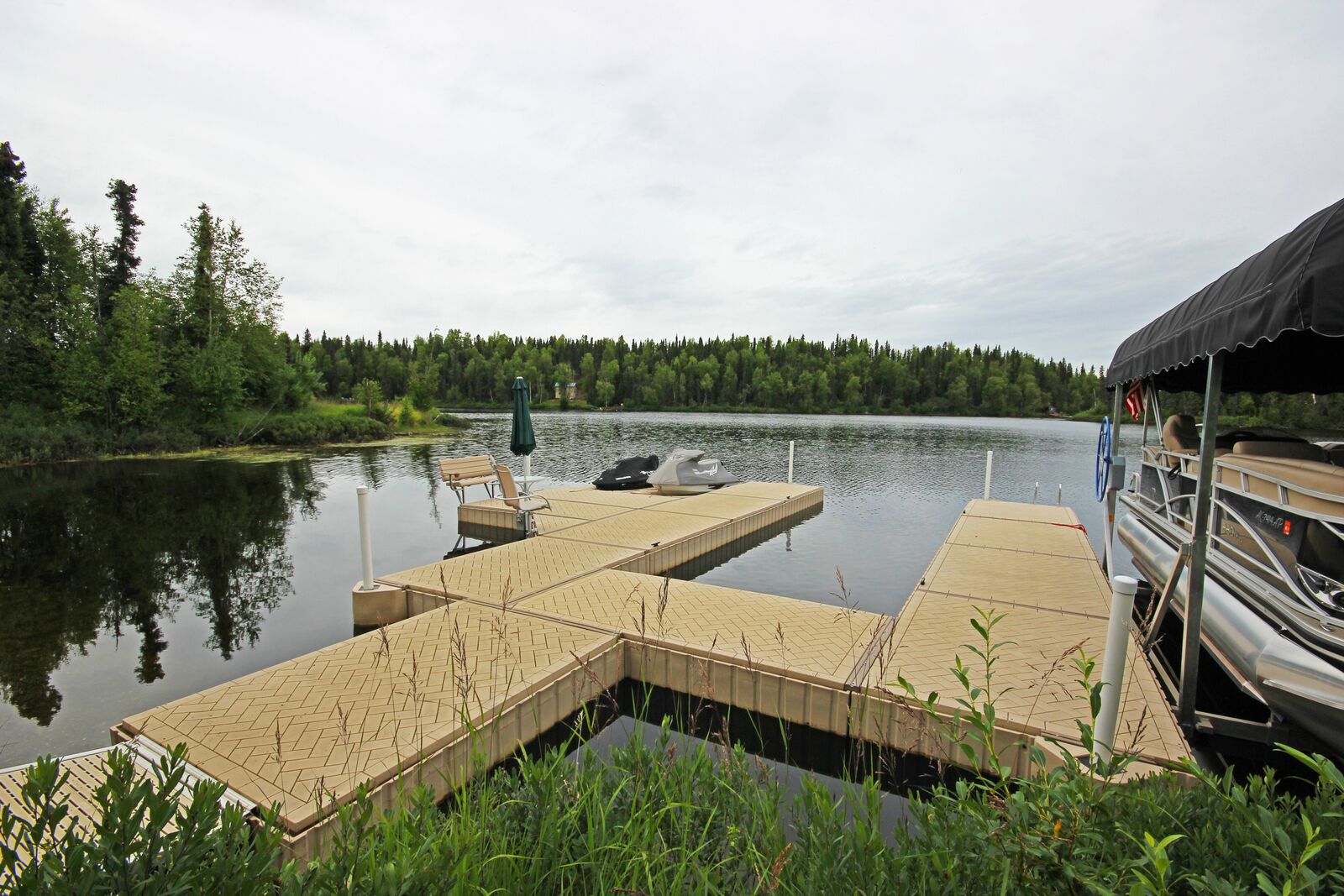
What’s the Best Material for a Floating Dock?
Material selection heavily influences how a floating dock can withstand the elements, how much maintenance it requires, and how convenient it is to own. For example, when Jim Vuocolo took over River Beach Campground and Marina in Mays Landing, NJ, they had old wooden docks, which they had to remove for winter storage. Aside from requiring more than 20 people to remove, the dock also required off-season repairs and even more upkeep by mid-summer.
For many waterfront property owners, this level of maintenance simply isn’t sustainable. It requires far too much time and effort – time they could otherwise spend doing the things they enjoy. In contrast, docks made from durable, resilient materials like marine-grade aluminum, premium composites, or high-density polyethylene can better withstand the elements and seasonal changes, providing owners with a more reliable, safer platform to enjoy their waterfront activities.
Top Dock Materials: Comparing the Most Common Options
Here’s an overview of how popular floating dock materials impact longevity, maintenance, and aesthetics:
|
Material |
Durability |
Maintenance |
Appearance |
Best For |
|
Wood |
Moderate – can degrade over time without proper care |
High – requires sealing, staining, and inspections |
Classic, natural look |
Low-traffic docks |
|
Aluminum |
High – rust- and corrosion-resistant |
Low – requires minimal upkeep |
Sleek, modern finish |
Saltwater and variable climates |
|
HDPE (High-Density Polyethylene) |
Very high – resistant to impact, UV, and water damage |
Very low – easy to clean and doesn’t rot or splinter |
Clean, uniform look |
Everything from residential docks to more heavy-use applications, such as marinas and commercial establishments |
|
PVC (Vinyl/Composite) |
High – Top brands don’t splinter, crack, or fade easily |
Low – occasional rinsing needed |
Wood-like grain; consistent color |
Residential, seasonal docks |
Pros and Cons of Each Floating Dock Material
Like most things, there’s rarely a one-size-fits-all solution when it comes to floating dock materials. Each offers distinct advantages and potential drawbacks depending on your location, intended use, and aesthetic preferences.
Here’s a breakdown of common dock materials to help you choose the best one for your unique needs:
Wood:
- Typical Lifespan: While most standard woods won’t last 10 years on a dock, pressure-treated wood can last around 10 to 20 years with proper and consistent maintenance. According to an industry expert, Ipe is the best wood as it boasts superior looks and moisture resistance (Reddit, 2019). However, it is also the most expensive among all other wood options.
- Maintenance Requirements: While many still prefer the aesthetics of wood, it is prone to warping, rotting, and splintering over time. As such, most wooden docks typically require periodic sanding, sealing, and staining.
- Other Considerations: Wooden docks are significantly heavier than their aluminum, composite, and plastic counterparts, which can be cumbersome for seasonal users.
Aluminum:
- Typical Lifespan: Marine-grade aluminum is built for the long haul, with aluminum docks usually lasting anywhere from 30 to 50 years. This is why many dock systems use aluminum for their frames.
Maintenance Requirements: Aluminum is very low maintenance. A rinse here and there is usually all it needs to stay in optimal condition. In addition to its sleek, modern
FAQs
Q: What are the most common materials used for floating docks?
A: You’ll usually see options like wood, aluminum, HDPE, PVC/composite, and sometimes concrete for heavy-duty applications. The right choice depends on how much maintenance you’re comfortable with and what your shoreline demands.
Q: Why do some dock materials require more maintenance than others?
A: Some materials need sealing, staining, or frequent inspections to prevent rot, corrosion, or degradation. Others are more resistant to water and UV exposure, which can make ownership feel much simpler.
Q: How do I pick the right material for my lake or waterfront?
A: Start with your conditions, like ice, fluctuating levels, waves, and sun exposure, then consider how often you use the dock. The best material is the one that stays reliable without becoming a constant weekend project.
Q: Is “best material” mainly about durability or appearance?
A: It’s usually both, because you want a dock that lasts and also fits how you want the waterfront to look. The sweet spot is a material that matches your environment while keeping upkeep realistic for your lifestyle.
FAQs
Q: What are the most common materials used for floating docks?
A: You’ll usually see options like wood, aluminum, HDPE, PVC/composite, and sometimes concrete for heavy-duty applications. The right choice depends on how much maintenance you’re comfortable with and what your shoreline demands.
Q: Why do some dock materials require more maintenance than others?
A: Some materials need sealing, staining, or frequent inspections to prevent rot, corrosion, or degradation. Others are more resistant to water and UV exposure, which can make ownership feel much simpler.
Q: How do I pick the right material for my lake or waterfront?
A: Start with your conditions, like ice, fluctuating levels, waves, and sun exposure, then consider how often you use the dock. The best material is the one that stays reliable without becoming a constant weekend project.
Q: Is “best material” mainly about durability or appearance?
A: It’s usually both, because you want a dock that lasts and also fits how you want the waterfront to look. The sweet spot is a material that matches your environment while keeping upkeep realistic for your lifestyle.


