Every boat owner will benefit from a boat dock, but not every boat dock is well-suited to every boat owner or shoreline. Boat docks are easy to install, especially if you choose one that’s constructed for ease of use and the DIY boater, but buying a boat dock can be an information overload if you’re not prepared. When it comes to the basics—something you can moor your boat on and walk out to—there are a few important factors you need to consider. For a dock system like those from PolyDock, you can build off of what you started as your needs change, but for starting out, you’ll need to know what you need based on these three factors.
Key Takeaways
• The right dock depends on your shoreline shape, water depth, bottom conditions, and how much water levels change during the season.
• Your “best dock” is really about how you plan to use it, like boating access, swimming, entertaining, fishing, or storing water toys.
• Planning for installation, regulations, and long-term upkeep helps you avoid costly changes after you buy.
Water Type
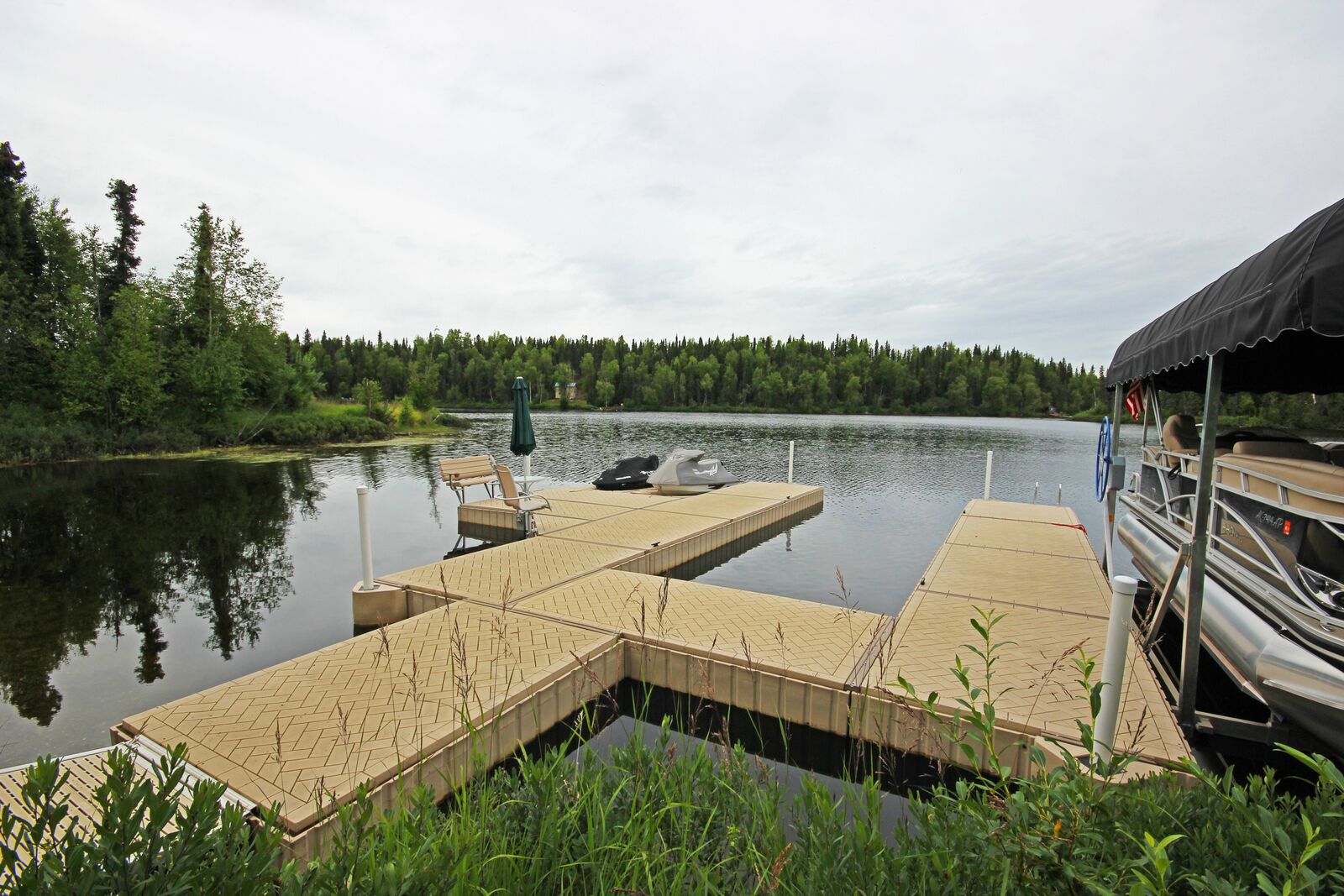
Your water conditions will be one of the biggest factors when choosing what kind of boat dock is right for your water. Boaters on rough water will likely want more stability under their feet and when mooring their boat, whereas those on calm waters are probably more confident in what’s under their feet. If your lakebed or ocean floor is very deep down, you would probably benefit from a floating dock that can be anchored more than a standing or pile dock that needs a solid structure underneath it. This is also true of water levels that fluctuate: a floating dock, like the ones made by PolyDock, can change with the water level.
Boat Type
While boats should be stored on boat lifts when not used for an extended time, the type of boat you have will still affect the kind of boat dock you purchase. PWC ports and other lifts can be attached directly to your boat dock, and modular installations can be moved around if your needs change from year to year. You can also buy sections to create a slip-shaped dock layout. If you want to be able to change your boat dock around when you upgrade your watercraft, sectional models are a great choice.
Decking and Materials
Your dock decking is one of the crucial parts of your boat dock—what would you stand or walk on without it? It’s important to have something you feel good walking on, and many materials on the market can fill that function. Traditionalists might like the look and feel of wood decking but consider that wood (and wood hybrids, like composite decking) will require more maintenance to stay beautiful and nice to walk on. Aluminum can be more expensive, but it is very durable and doesn’t require much maintenance. PolyDock uses rotationally molded polyethylene to create a slip-resistant, stable dock system suited for nearly any waterfront.
No matter what kind of dock you purchase, make sure that you choose one created with high-quality materials and engineering. Thoughtful construction by waterfront experts goes a long way toward a boat dock’s durability and life span and makes it much easier for you to maintain.
Take Your Next Step With PolyDock
PolyDock is here to make your next waterfront outing easier and more fun. Our modular floating docks are built to withstand conditions that competing docks can’t handle while looking great and being low-maintenance. Trust PolyDock to provide the aesthetic appeal, configurability, and customization to your waterfront property that you’re looking for. Get in touch with PolyDock to start shopping for your new boat dock or to have your waterfront questions answered.
FAQs
Q: What should I figure out before choosing a dock system?
A: Start with what you want the dock to do, like boating access, lounging, swimming, or storing water toys. Then factor in shoreline shape, water conditions, and any seasonal changes so the layout works all year.
Q: Why does water depth and lake bottom type matter so much?
A: Because some docks need legs or firm footing, while floating docks can handle deeper water and uneven bottoms more easily. When you match the dock style to your conditions, the dock feels more stable and requires fewer adjustments.
Q: What’s a common mistake people make when buying a dock?
A: Many people focus on price first and forget about fit, safety, and how they actually use the waterfront. A dock that looks good but feels awkward to use becomes frustrating fast.
Q: Should I think about future upgrades before I buy?
A: Yes, because needs change, boats change, and families grow. A dock system that can expand or reconfigure later helps you avoid replacing everything just to gain a little more space.


